iPhone 16 vs iPhone 17: which refurbished iPhone should you buy?
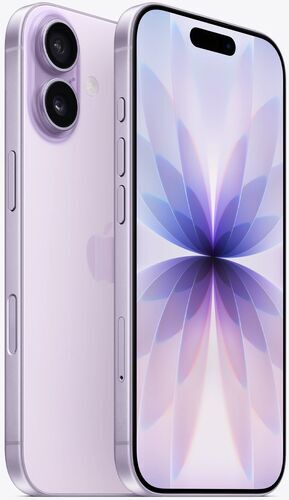
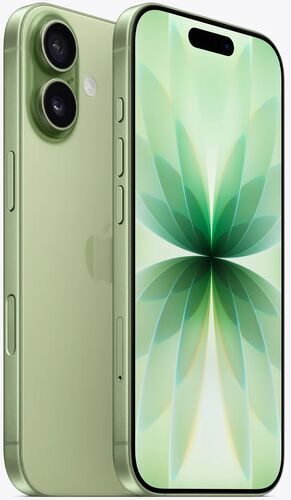
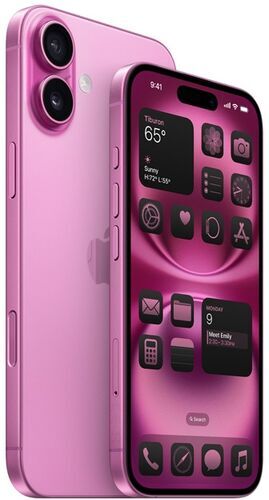
Line up an iPhone 16 and an iPhone 17 on a table, and most people can't tell them apart until the screen wakes up. Same aluminium frame, same glass back, same camera bump in the same spot.
The real gap between them is smaller than the price tag suggests, and it's concentrated in just a few places: the screen, the selfie camera, and how fast the battery tops up. Both are excellent phones. Refurbished, either one costs meaningfully less than buying new, so the real question isn't which phone is better on paper. It's which of these few differences matter enough for your daily life to justify the gap.
Quick verdict: iPhone 16 or iPhone 17?
Pick the iPhone 17 if a smoother scrolling screen, sharper selfies, and faster charging matter to your daily routine.
Pick the iPhone 16 if you want essentially the same phone for meaningfully less. The main camera sensor barely changed between the two, so budget-conscious buyers aren't giving up much where it counts most: everyday daytime photos.
iPhone 16 vs iPhone 17: specs compared
Display
6.1" OLED
Chip
Apple A18
Main camera
48 MP
Ultrawide camera
12 MP
Front camera
12 MP
Battery
3561 mAh
Starting storage
128 GB
Weight
170 g
Design and display: near-identical twins, one real headline upgrade
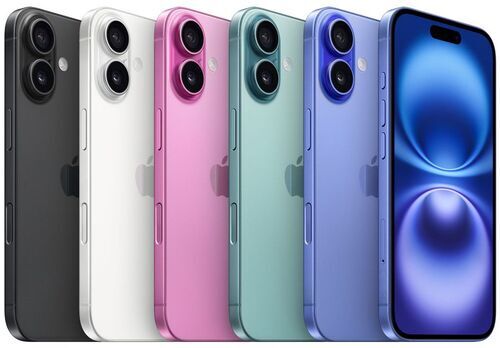
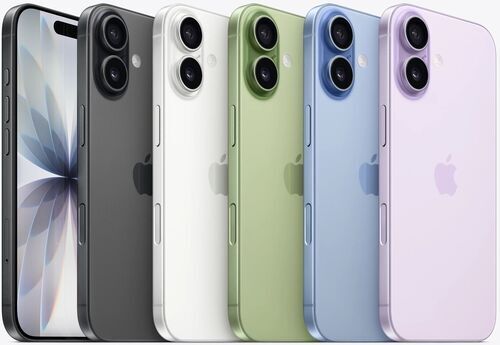
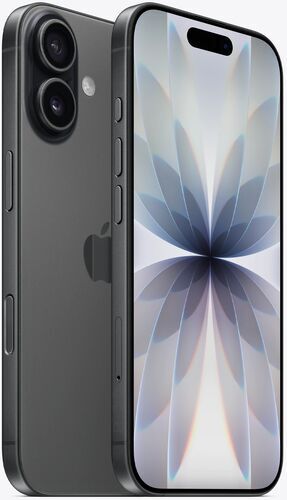
Unless you already know the exact colour code, spotting an iPhone 16 next to an iPhone 17 is tricky until the screen switches on. Same aluminium frame, same glass back, same camera control button in the same place. The jump from 6.1 to 6.3 inches comes from thinner bezels, not a bigger phone in your pocket.
The real headline sits in what that screen does once it's lit: the iPhone 17 moves from a fixed refresh rate to an adaptive 120Hz display, so scrolling, animations, and games feel noticeably smoother. People who switch back to the iPhone 16 after time with the faster screen often describe it as stuttery by comparison.
Whether that's worth paying for comes down to taste rather than a clear win. Plenty of people find 120Hz nice to look at but not essential day to day, and stick with an iPhone 16 without a second thought.
Camera: same sensor, one clear upgrade, and a selfie camera that steals the show
Zoom into the spec sheet and the two phones share almost the same main camera: 48 MP, same aperture, same lens. Reviewers who ran hundreds of side-by-side shots kept landing on the same conclusion: it's the image processing behind the sensor that decides most everyday photos, not the megapixel count on the box. Neither phone consistently wins every high-contrast shot either. One might nail the focus, the other nails the exposure, and which one comes out ahead changes from photo to photo.
The upgrade that shows up on its own is the ultrawide camera, jumping from 12 MP to 48 MP. The iPhone 16's ultrawide was fine in daylight and fell apart after dark, so quadrupling the resolution here isn't just a spec bump, it's fixing the one camera that struggled most. Crop into a shot, zoom digitally, or shoot after dark, and the difference becomes obvious. At normal viewing size, in daylight, most people won't spot it.
The camera change people talk about most isn't the ultrawide, though. It's the front camera: a bigger square sensor that shoots landscape selfies without turning the phone sideways, and automatically zooms out when someone new jumps into the shot. Picture a group photo where a latecomer squeezes in and the phone just fits them in, no repositioning needed.
Portrait skin tone is a genuine split decision: some testers preferred the newer phone's colour accuracy, others found the older phone's warmer rendering more flattering. Neither camera has a telephoto lens, so distance shots rely on digital crop either way.
Performance, gaming and charging: how much does the faster chip matter?
On paper, the newer A19 chip beats the A18 in every benchmark. In daily use, that gap mostly disappears: opening apps, browsing, switching between messages and email feels close to identical on both phones. The difference shows up under sustained load, not casual use.
Push either phone into a demanding game for twenty minutes straight, and the story changes. The iPhone 17 holds a steadier frame rate as things heat up, where the iPhone 16 is more likely to throttle and drop frames once the chip runs hot enough to notice in your hand. For light or occasional gaming, neither phone will disappoint you.
Charging is a clean win for the newer phone: plug in for a quick top-up between meetings, and the iPhone 17 gets back to a usable charge noticeably sooner. Battery life favours the newer phone too, but only by a modest margin, not a transformative one.
Storage is where the price gap earns its keep: the iPhone 17 starts at 256 GB, double the iPhone 16's 128 GB starting point. Several reviewers call this the single strongest argument for the price difference.
The software is identical, so hardware is what decides
Strip away the hardware, and you're running the exact same software on either phone: same iOS release, same on-device AI tools, same headline features like call screening, which quietly filters unknown numbers before your phone even rings, handy if picking up an unfamiliar call makes you uneasy. Neither phone gets a software trick the other misses out on.
That makes this an honest way to frame the whole decision: the software experience is a tie, so the phone you pick comes down to the handful of hardware differences that show up in daily use, not a longer features list.
Real owners, real numbers: what people experience day to day
Long-term owners running their own benchmarks report a similar story generation after generation: multi-core scores land in the high 7,000s for the iPhone 16's A18 chip and climb toward the low-to-mid 9,000s for the iPhone 17's A19, a gap in the mid-teens percent range that most describe as faster on paper, barely noticeable scrolling through a normal day.
Battery health tells a reassuring story on both sides. Owners tracking cycle counts over six to twelve months of normal use report both phones holding up well, with the newer phone showing a modest edge after similar wear.
On-device AI is the one area where long-term owners are unusually candid: several admit the built-in AI features still feel early on both phones, and default to other AI apps when they need real work done. That kind of honesty is rare on a spec sheet, and worth knowing before you buy either phone expecting AI to be the star feature.
One detail trips people up: both phones share the same USB-C connector, but transfer speeds on the base models haven't improved. Same shape, no extra speed underneath it, so don't expect faster file transfers just because the port looks modern.
Refurbished iPhones: the environmental difference
Choosing either phone refurbished instead of new avoids a real environmental cost. Based on scientific research by Fraunhofer Austria, verified under ISO 14040/14044:
iPhone 16 (128 GB)
↓ CO2 emissions: SAVED 67.7 kg CO2 (84% less than a new device, equivalent to driving about 473.9 km)
↓ Virtual water: SAVED 25,293.2 litres (87% less, equivalent to about 169 bathtubs filled with water)
↓ E-waste: SAVED 142.2 g (75% less than a new device)
↓ Critical raw materials: SAVED 37.1 g (67% less)
↓ Conflict materials: SAVED 1.2 g (96% less)
iPhone 17 (256 GB)
↓ CO2 emissions: SAVED 70.8 kg CO2 (84% less than a new device, equivalent to driving about 495.6 km)
↓ Virtual water: SAVED 26,494.1 litres (88% less, equivalent to about 177 bathtubs filled with water)
↓ E-waste: SAVED 154.0 g (78% less than a new device)
↓ Critical raw materials: SAVED 39.0 g (68% less)
↓ Conflict materials: SAVED 1.2 g (96% less)
Storage capacity is the main reason the two aren't identical here: a bigger battery and chip on the iPhone 17 take slightly more material to build, so its savings run a little higher in absolute terms even though both phones avoid a similar share of new-device impact.
iPhone 16 or iPhone 17: which should you buy?
Get the iPhone 17 if a smoother screen, sharper selfies, more starting storage, or faster charging change how you use your phone day to day. It's also the stronger pick if you're coming from an iPhone 13, 14, or 15: the combined jump in screen, storage, and camera adds up to more than the 16-to-17 gap alone suggests.
Get the iPhone 16 if you're budget-conscious, mostly shoot daytime photos, or don't care much about refresh rate. You're not settling for a lesser phone, just a slightly older one that still does the job well.
Skip the upgrade altogether if you already own an iPhone 16 and don't specifically need the higher refresh rate or the new selfie camera. Current iPhone 16 owners are the group least likely to feel like they're missing out.
Whichever one fits, buying it refurbished from refurbed means a lower price than new, a warranty, and a trial period to make sure it's the right call.
Both are a great deal, refurbished
Every phone sold on refurbed is professionally tested, cleaned, and restored, not just sold as used. That means a full working device, a warranty, and a trial period to make sure it's right for you, whichever model you pick.
Buying refurbished also means the device already exists: no new raw materials, no new manufacturing footprint, just a phone that gets a second life instead of ending up in a drawer.
iPhone 16 vs iPhone 17 FAQs
Is the iPhone 16 still worth buying in 2026?
Yes. The main camera, chip, and day-to-day speed hold up well, and refurbished pricing makes the gap to the iPhone 17 even smaller. Skip it only if the higher refresh rate screen or the new selfie camera matter to you.
What's the single biggest difference between the iPhone 16 and iPhone 17?
The screen. The iPhone 17 adds an adaptive 120Hz refresh rate the iPhone 16 doesn't have, making scrolling and games feel noticeably smoother. Everything else is a smaller, more gradual improvement.
Is the iPhone 17's screen upgrade worth the extra cost?
It depends on how much you notice refresh rate. Some people call it the best everyday upgrade Apple has shipped in years; others find it nice but not essential. Try both in person if you can before deciding.
How much can I save buying either phone refurbished?
Buying refurbished typically costs meaningfully less than a new iPhone 16 or iPhone 17, with the same working device, a warranty, and a trial period. Check the current price on refurbed for both models, since pricing changes with stock.
Curious how the lineup looked one generation earlier?
Take a look at how the iPhone 15 compares to the iPhone 16 for the fuller picture.

Sign up for our newsletter for the first time and save €15!
Never miss an offer again.
Information about the use of personal data can be found in our Privacy policy.
Get the refurbed app
For iOS and Android


Confirm sign-up
Almost done: We’ve sent you a confirmation email
- © Refurbed Marketplace GmbH
- Accessibility
- T&C
- Privacy Policy
- Imprint
- Legal Notices
- European Data Act
- Cookie Policy